
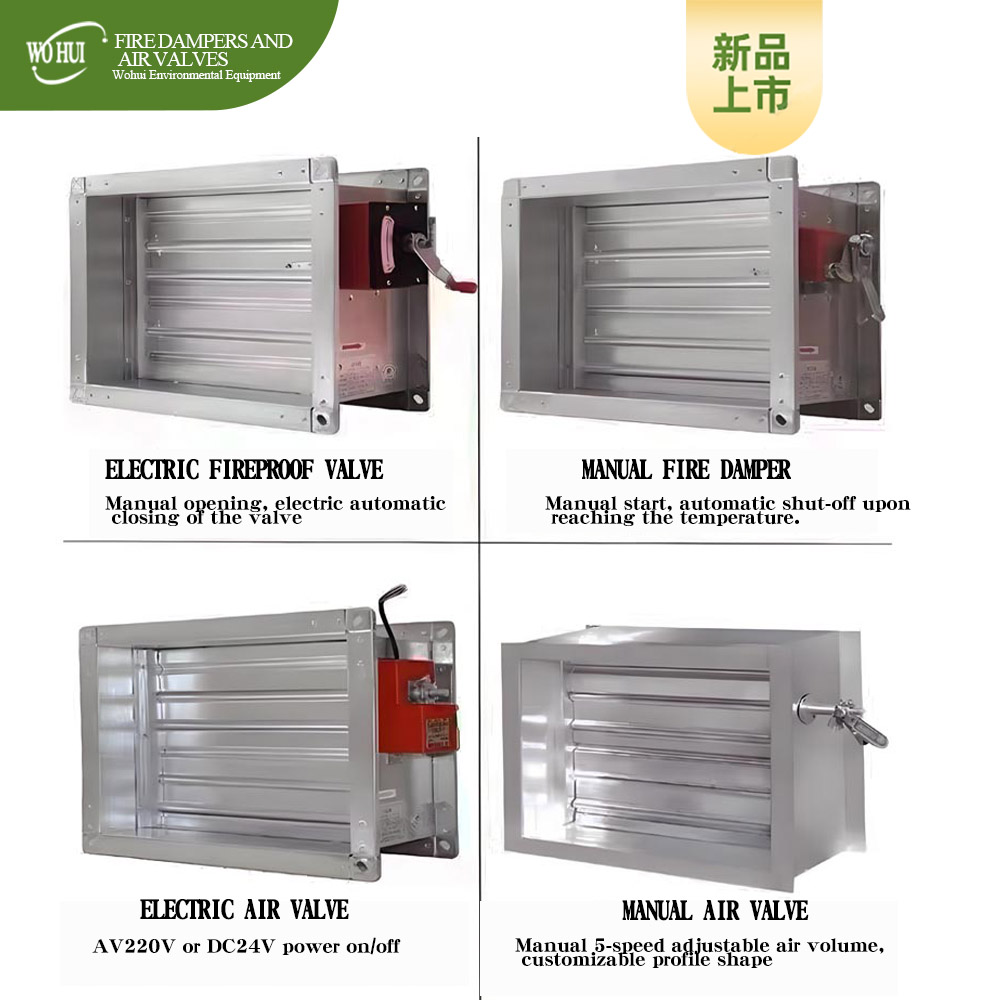
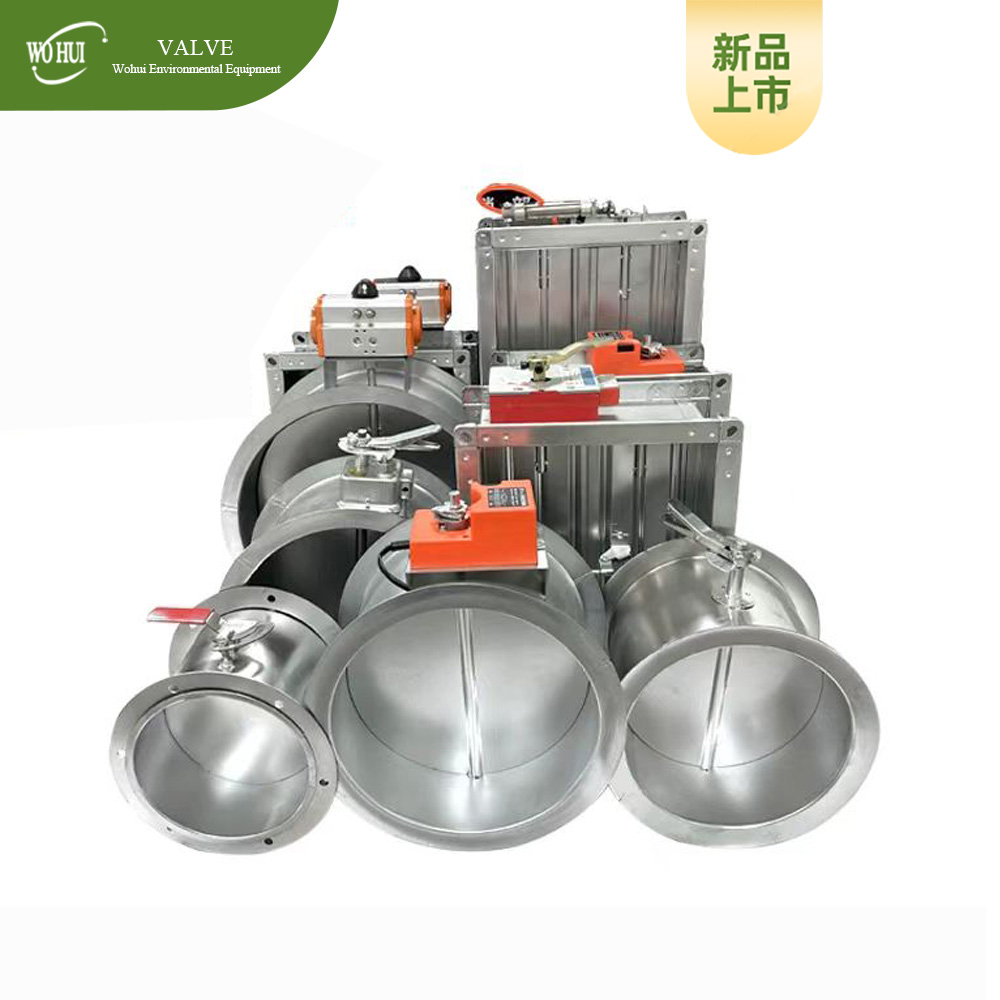
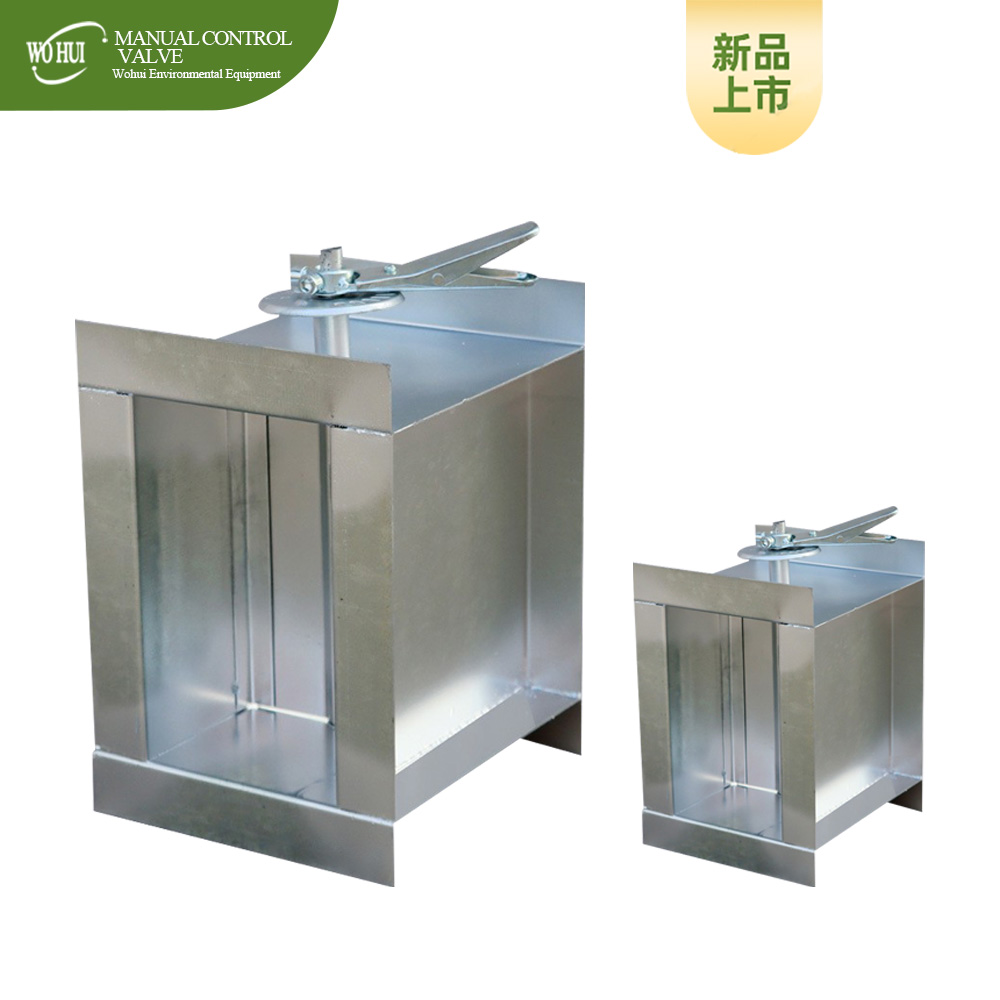
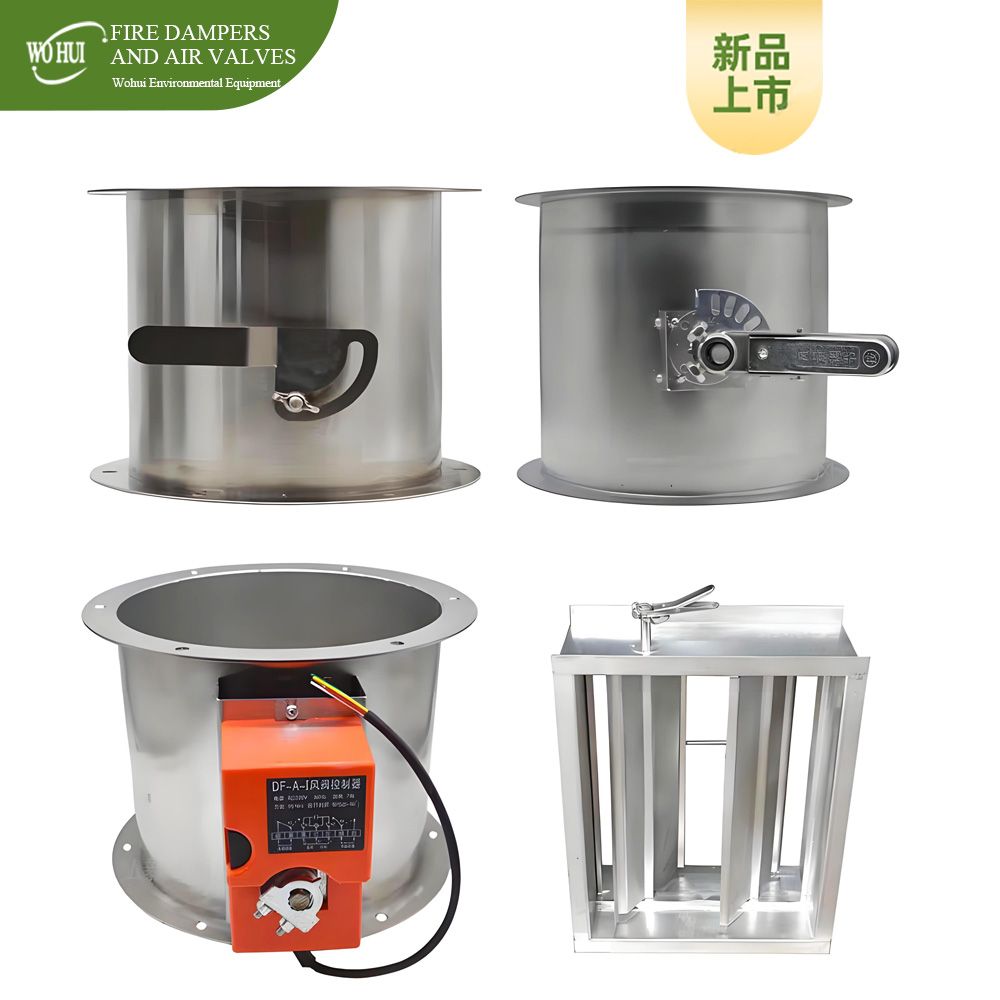
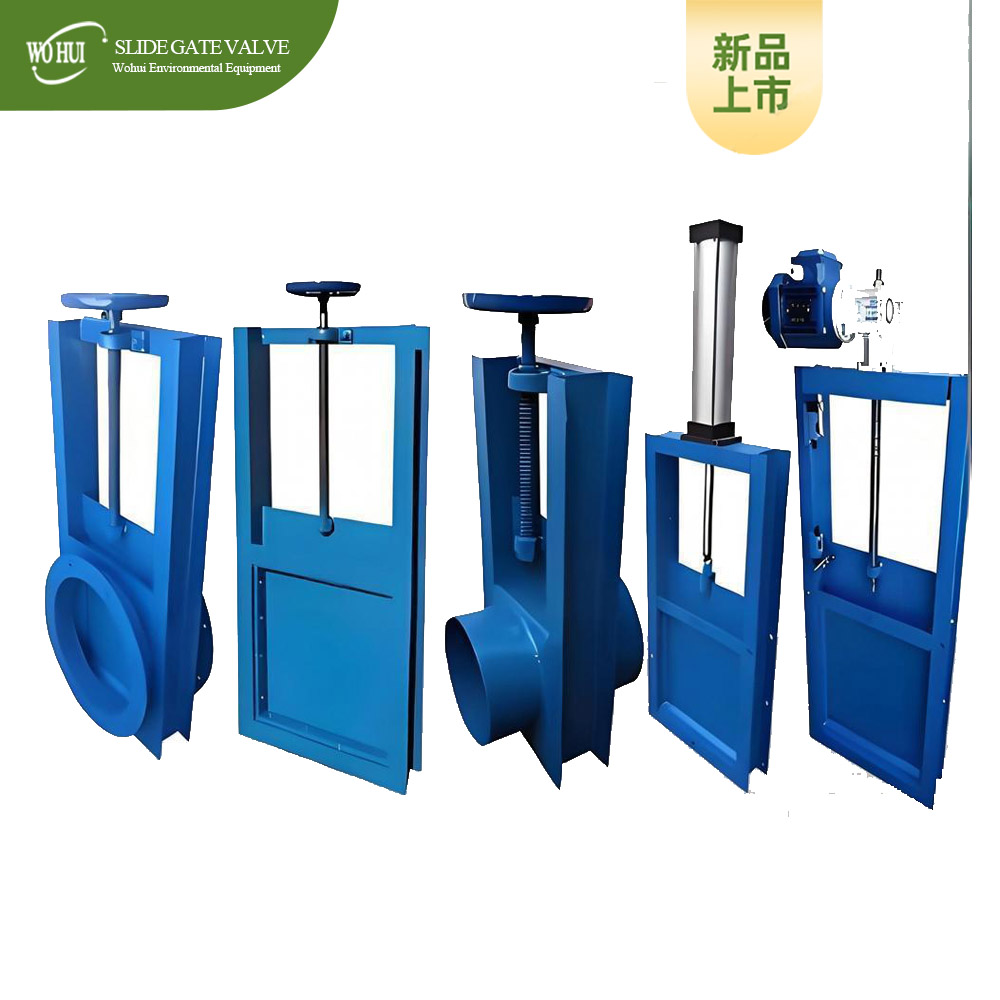
Brief Introduction to Regulating Valves and Related Valves for Ventilation
Frequently Asked Questions
Q1: Are you a manufacturer or a trading company?
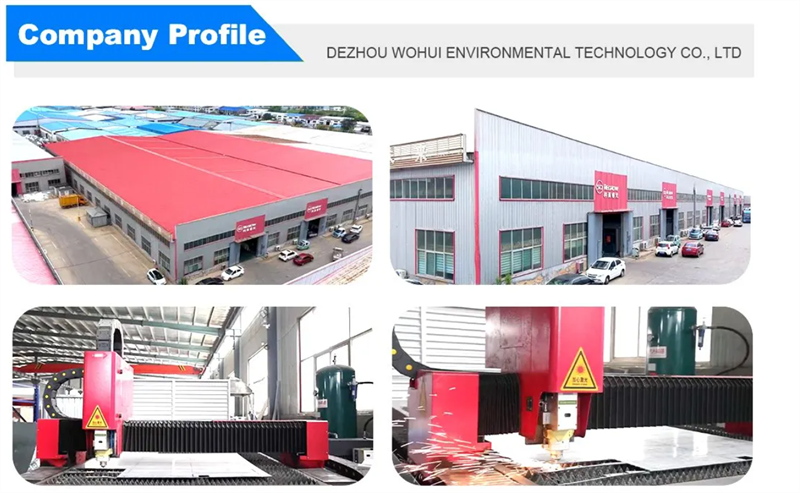
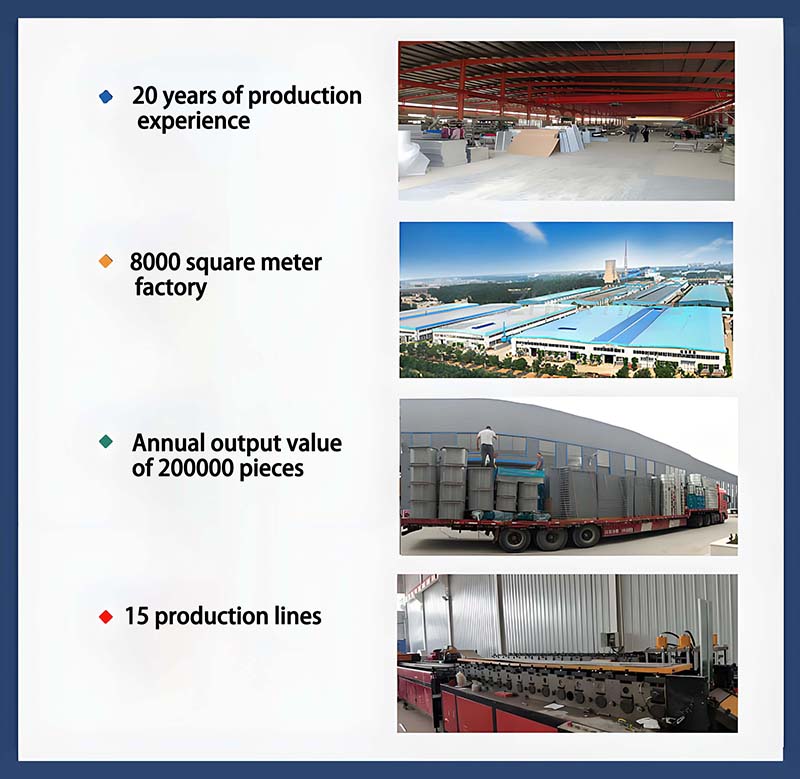
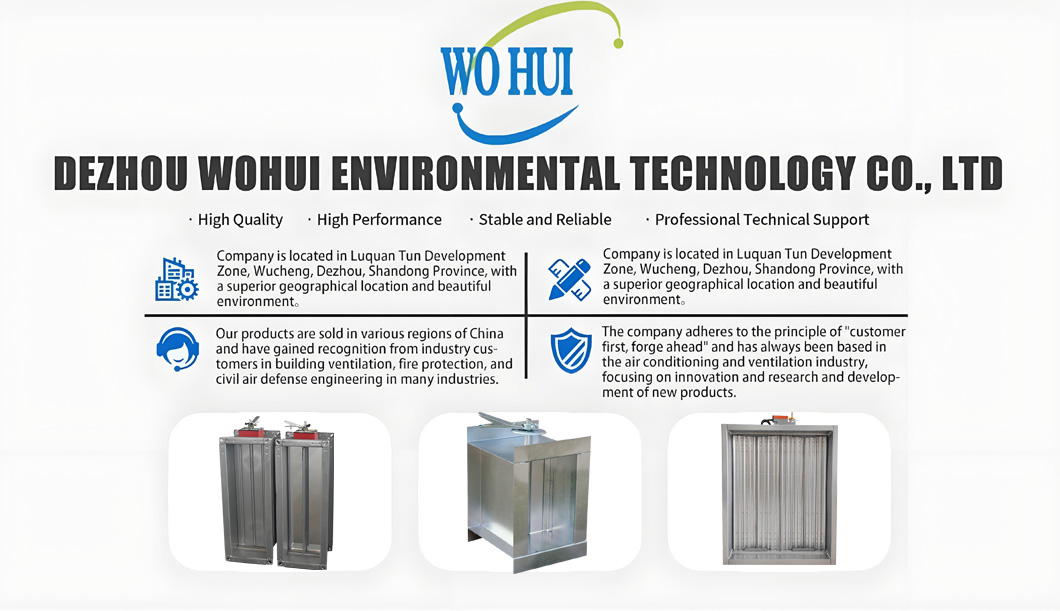
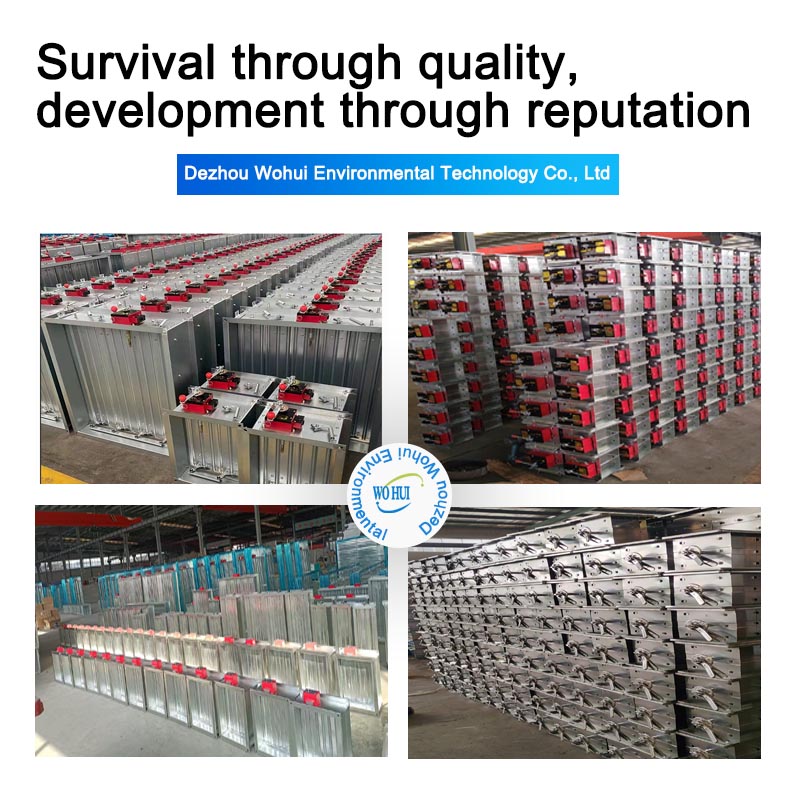
A: Dezhou Wohui Environmental Protection Technology Co., Ltd. is a manufacturer founded in 2005, specializing in central air conditioning vent terminal equipment including air vents, air valves and louvers. We are located in Dezhou, Shandong, China.
Q2: What products do you mainly produce?
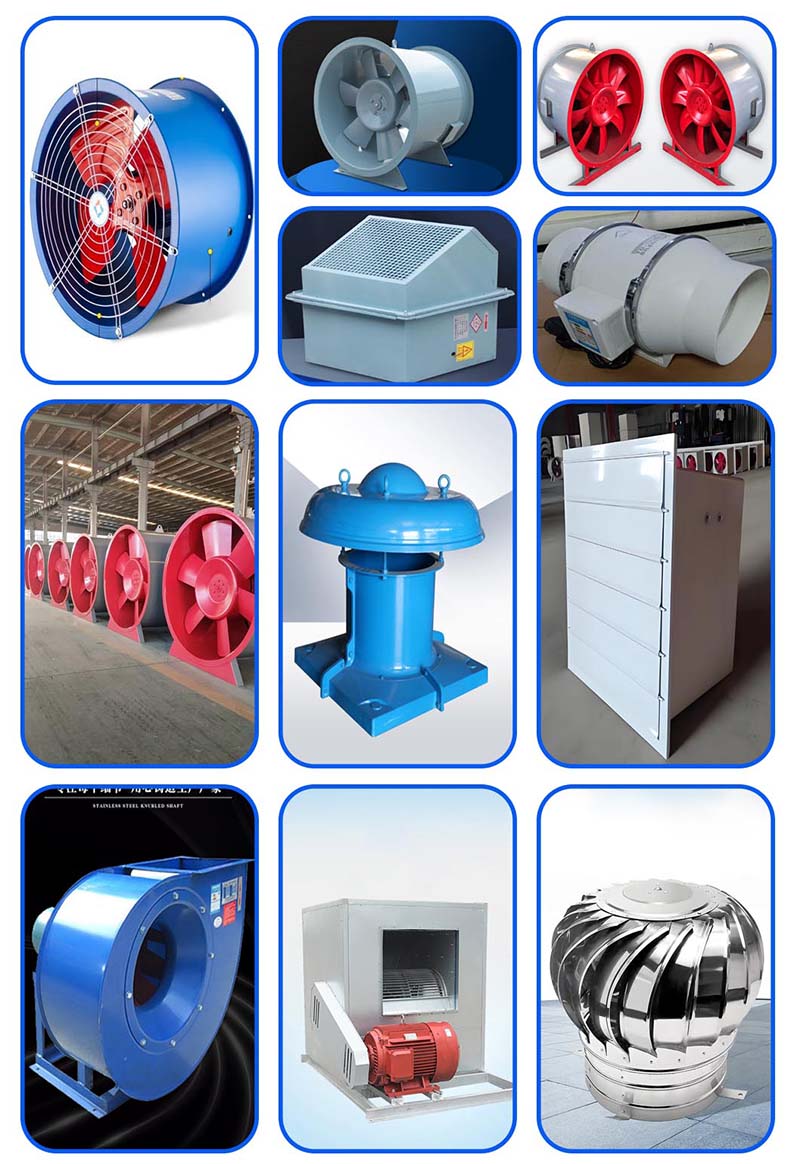
A: Our main products include air vent grilles, ceiling diffusers, volume control dampers, air valves, ventilation louvers, and related HVAC terminal equipment. Products are exported to more than 80 countries.
Q3: Can you customize products according to drawings?
A: Yes. We support OEM/ODM customization with various materials. Please send your drawings to wangxueqiang077@gmail.com and our team will reply within 6 hours.
Q4: What is your MOQ?
A: MOQ depends on product type. Please contact our sales team via WhatsApp +86 15953773633 for exact quotation.
Q5: Do you have quality certifications?
A: Yes, we have ISO and SGS certificates. Our products pass relevant departmental inspections.
Q6: What is a volume control damper used for?
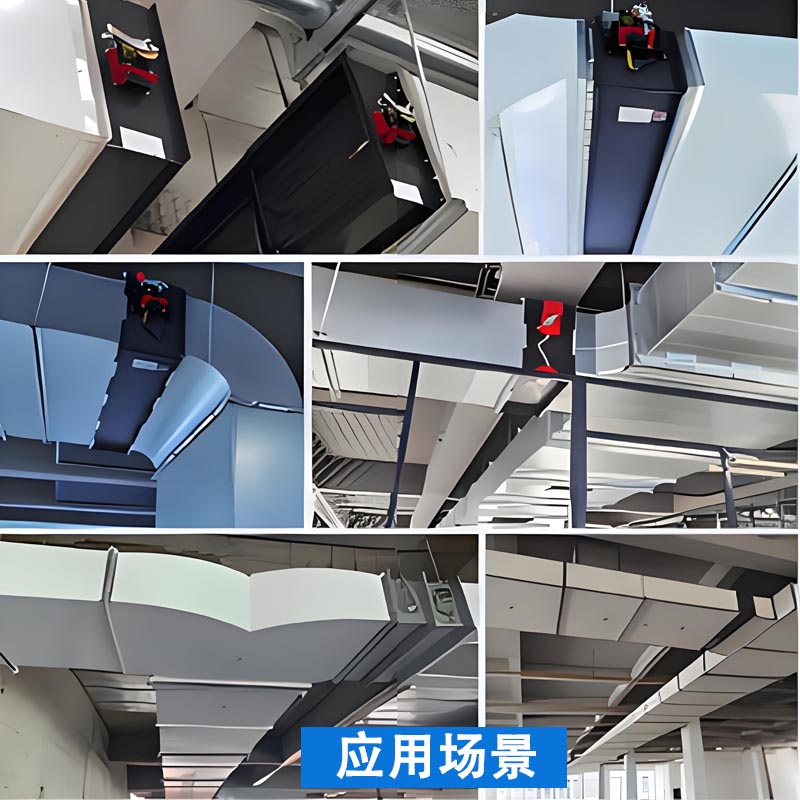
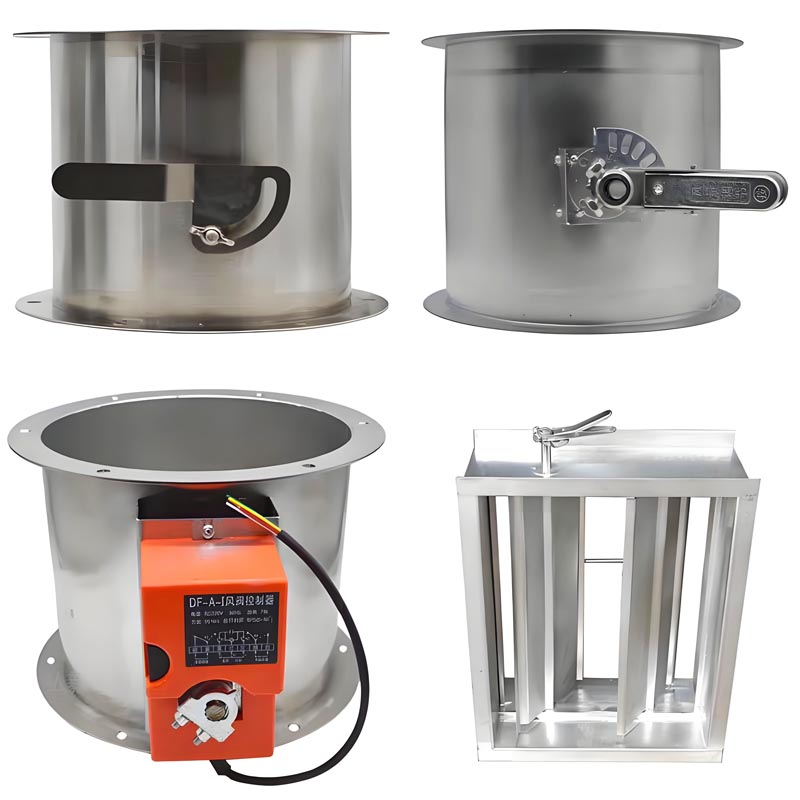
A: A volume control damper regulates the airflow rate in HVAC ductwork to balance system performance. Dezhou Wohui manufactures galvanized steel dampers with manual or motorized actuators.
Q7: Do you supply fire dampers?
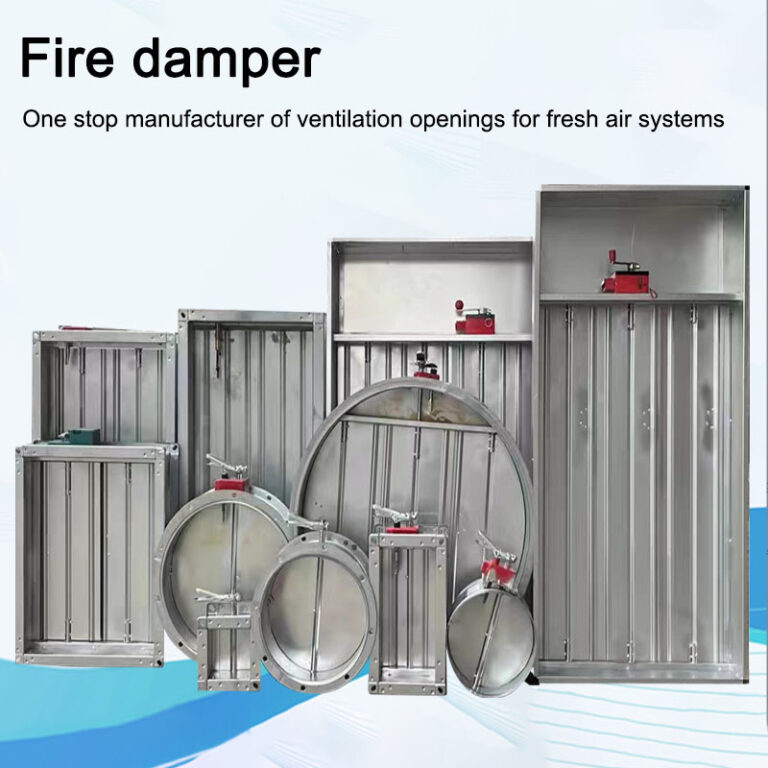
A: Yes, we supply fire dampers for fire-rated duct systems. Contact us for specifications and certification details.